Here is a little video i came across.

Thursday, April 4, 2013

Friday, March 29, 2013





Monday, March 25, 2013





Saturday, March 23, 2013
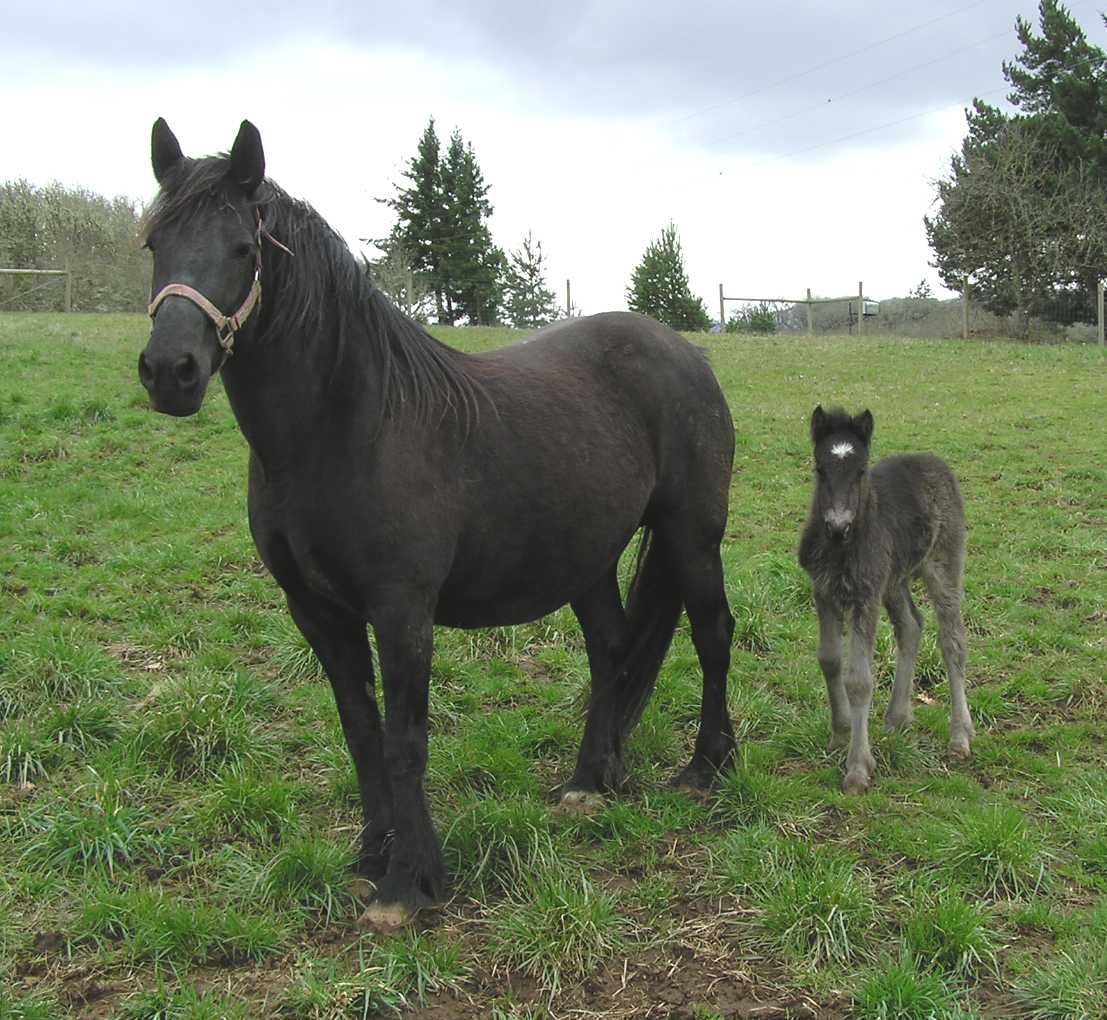
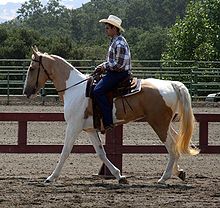
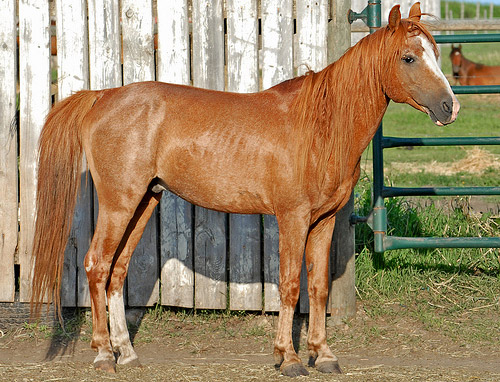
Caspian Ponies
The Caspian is a miniature Oriental type, with a free, floating action, alert yet equable and affectionate temperament, and is sensitive without being too highly strung.
The Caspian makes a superb riding pony for children. Being narrow, responsive, intelligent, gentle, and cooperative, it would be hard to imagine a better beginner's pony. It also makes a good harness pony.
One of the equine success stories of the 20th century, the ancient Caspian, having been believed extinct for about 1000 years, was rediscovered in Iran in 1965. It is now thriving in studs in Britain, the U.S., Australia, New Zealand, and Iran itself. It makes a superb beginners pony. Caspian ponies are usually Bay, gray, and chestnut, rarely black or cream. Caspian ponies stand about 10 to 12hh.


Posted by Joanna.
The Caspian makes a superb riding pony for children. Being narrow, responsive, intelligent, gentle, and cooperative, it would be hard to imagine a better beginner's pony. It also makes a good harness pony.
One of the equine success stories of the 20th century, the ancient Caspian, having been believed extinct for about 1000 years, was rediscovered in Iran in 1965. It is now thriving in studs in Britain, the U.S., Australia, New Zealand, and Iran itself. It makes a superb beginners pony. Caspian ponies are usually Bay, gray, and chestnut, rarely black or cream. Caspian ponies stand about 10 to 12hh.

Posted by Joanna.
Monday, February 18, 2013
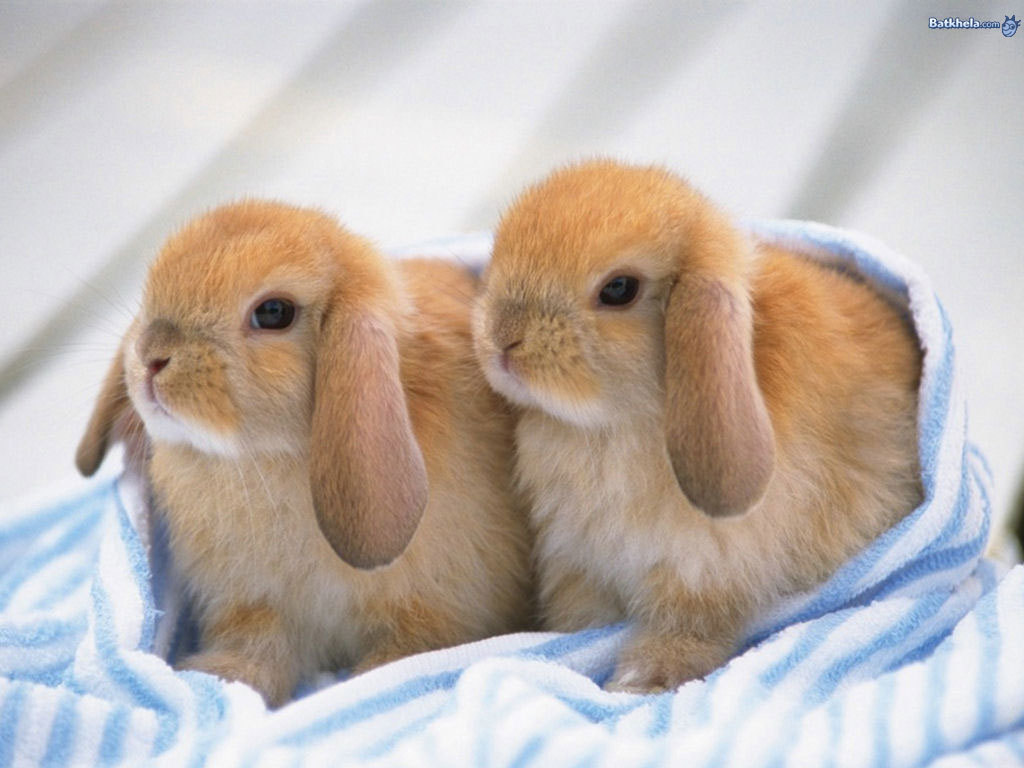
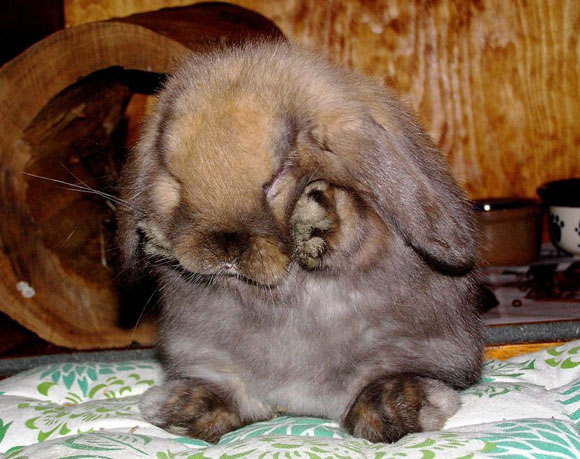
Information About Rabbits
Being nocturnal, the female bunnies nurse their litters at night or in the early morning hours. As long as the litter remains together, all get fed. But as the youngsters become older and begin to leave the nest, the doe will nurse only those she chooses-either those out of the nest of those remaining in the nest. The young begin to leave the nest when 14 or 15 days old. The condition of the young is a good index of the mother's milk capacity. If the young begin leaving the nest sooner than this, they may not be getting sufficient milk from the mother or the temperature within the nest may be too warm. By eight weeks of age, the young are eating well on their own and removed from the doe's cage. Removing the young at this time gives the doe a short rest between litters. If she was rebred when the litter was six weeks of age, she will be pregnant and ready for a rest between litters. When maintaining a tight breeding schedule, such as in commercial operations where does produce seven or eight litter per year, the doe is bred when the young are 14 days old; the litter is removed from the doe's cage at six weeks of age. The young rabbits are weighed, and the rapid growers are saved for future breeders, while the slower, underweight individuals are culled. The ideal is to produce litters in which all of the young are close in weight gain. By the time rabbits are three months old, they should be caged separately to prevent fighting and premature breeding. It is never advisable to keep young that are slow developers for future breeders, or from does that proved to dirty housekeepers, poor milkers, or of poor temperament. These traits will only carry on through the line in some degree.
Posted By Joanna And Becca.
Posted By Joanna And Becca.
Wednesday, January 16, 2013






Monday, December 31, 2012
Subscribe to:
Posts (Atom)