Showing posts with label Rabbit. Show all posts

Monday, February 18, 2013

Information About Rabbits

Being nocturnal, the female bunnies nurse their litters at night or in the early morning hours. As long as the litter remains together, all get fed. But as the youngsters become older and begin to leave the nest, the doe will nurse only those she chooses-either those out of the nest of those remaining in the nest. The young begin to leave the nest when 14 or 15 days old. The condition of the young is a good index of the mother's milk capacity. If the young begin leaving the nest sooner than this, they may not be getting sufficient milk from the mother or the temperature within the nest may be too warm. By eight weeks of age, the young are eating well on their own and removed from the doe's cage. Removing the young at this time gives the doe a short rest between litters. If she was rebred when the litter was six weeks of age, she will be pregnant and ready for a rest between litters. When maintaining a tight breeding schedule, such as in commercial operations where does produce seven or eight litter per year, the doe is bred when the young are 14 days old; the litter is removed from the doe's cage at six weeks of age. The young rabbits are weighed, and the rapid growers are saved for future breeders, while the slower, underweight individuals are culled. The ideal is to produce litters in which all of the young are close in weight gain. By the time rabbits are three months old, they should be caged separately to prevent fighting and premature breeding. It is never advisable to keep young that are slow developers for future breeders, or from does that proved to dirty housekeepers, poor milkers, or of poor temperament. These traits will only carry on through the line in some degree. 


Posted By Joanna And Becca.


Tuesday, July 10, 2012

Ineresting Facts About Rabbits

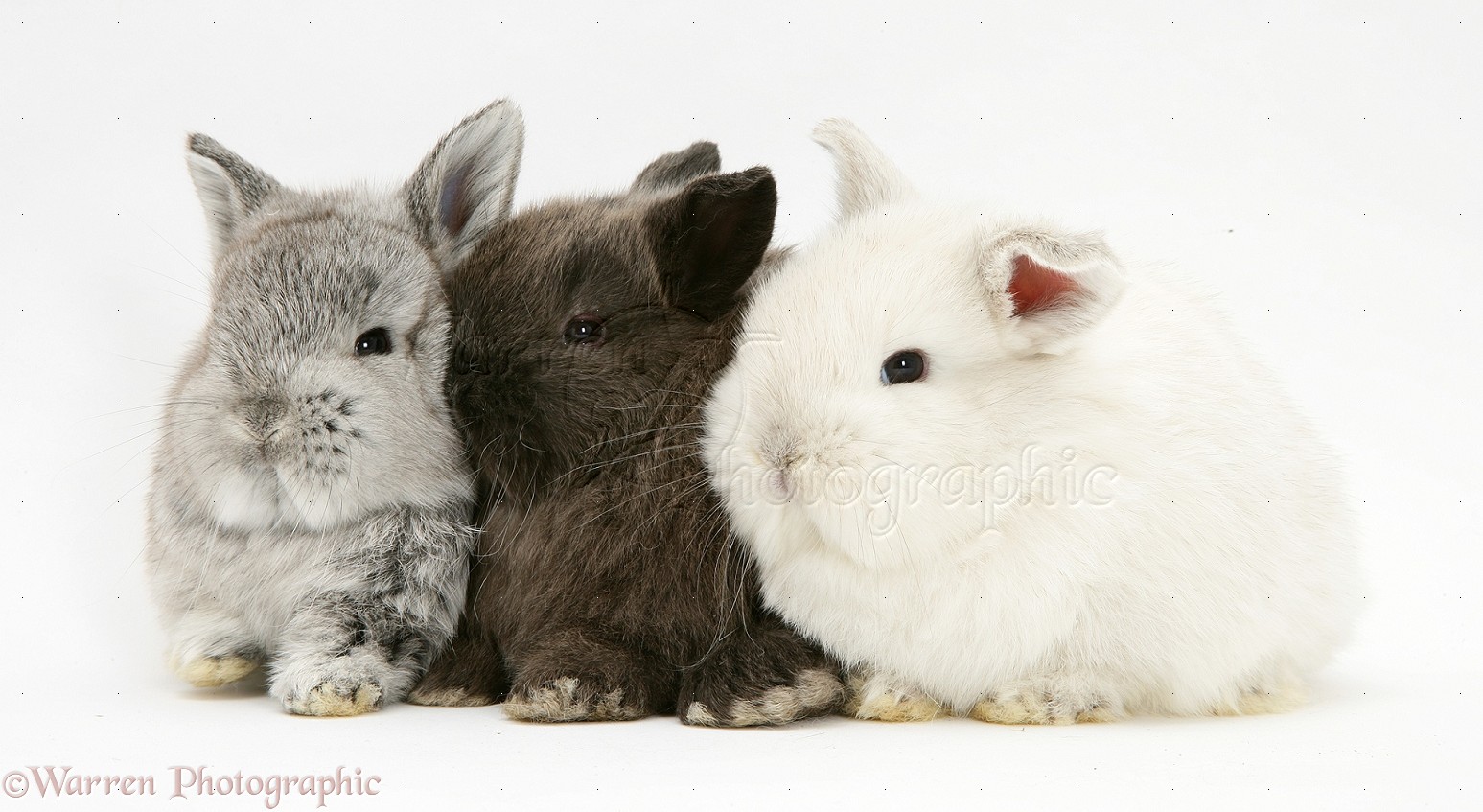
1. Baby Bunnies are commonly referred to as “kittens”
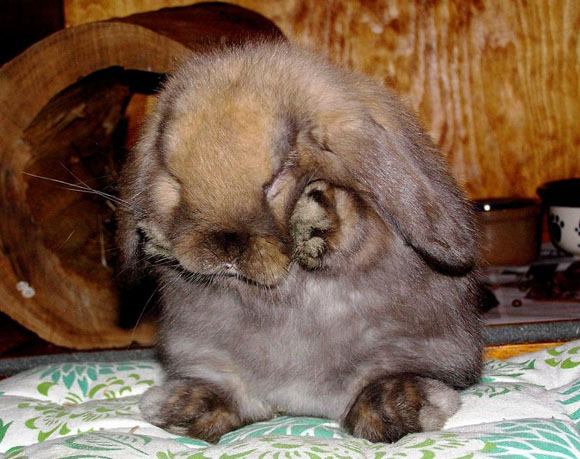
2. A Rabbit’s teeth never stop growing
3. Girl rabbits are referred to as “does”
4. Male rabbits are referred to as “bucks”
5. In the wild rabbits live in groups called “warrens”
6. Some rabbits can breed at as early as 3 months old
7. Rabbits are classified as “lagomorphs”
8. Today’s domestic rabbit is descended from the European Rabbit
9. Rabbits do not vomit
10. A rabbit’s gestation period is approximately 30 days
11. The backbone of a rabbit is very fragile and can break easily when handled improperly or dropped on its back
12. Domestic rabbits are born without fur
13. Bunny Rabbits are generally the most active during the evening and early morning
14. When rabbits grind their teeth it can sound like a purr
15. Rabbits are nearsighted
16. Rabbits are classified as mammals
17. Rabbits are not rodents but can resemble them in appearance
18. The largest number of kits every born in a litter is 24!
19. A rabbit has five toenails on its front two paws and four toenails on its back two feet. =18 toenails per rabbit
20. The longest rabbit ears ever recorded measured up to be 31.125 inches long!
21. The world’s heaviest rabbit is Darius, weighing an unprecedented 50 pounds!
22. Hundreds of years ago rabbits were often released on deserted islands in hopes of giving shipwrecked sailors a reliable food source
23. Some places in the world have had serious trouble with rabbit overpopulation
24. There are over 150 recognized rabbit coat colors and varieties
25. The current world record for a rabbit long jump is 3 meters
26. The current world record for the rabbit high jump is 1 meter
27. Rabbits only sweat on the pads of their feet
28. A rabbit will eat its own cecotropes (night droppings)- they are a valuable source of protein
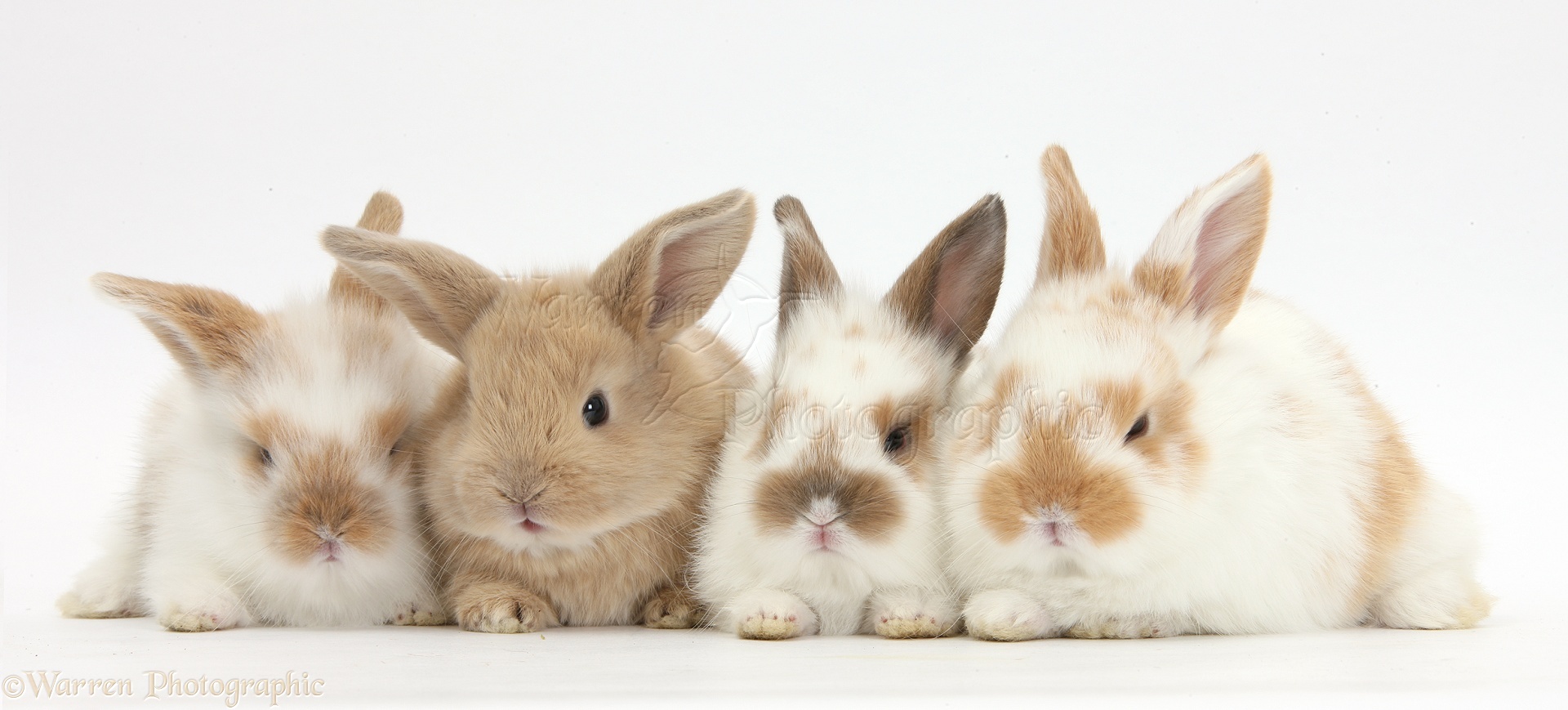
29. A group of bunnies from the same mother are called a “litter”
30. Domestic rabbit kits are born with their eyes shut
31. It has been estimated that in Australia rabbits destroy around $600 million worth of crops each year
32. Rabbits were an important home meat supply during World War II
33. Not all rabbits will “breed like rabbits”
34. In ancient Egypt rabbits were used as sport for dog racing
35. The scientific name for the rabbit is Oryctolagus cuniculus
36. Rabbits and hares commonly found in the United States of America include the cottontail, jackrabbit, snowshoe rabbit and the domestic rabbit
37. Rabbits can interbreed with Hares
38. Pet rabbits tend to live to be much older that wild rabbits
39. Some rabbits are raised specifically for their fur
40.  A rabbit business is commonly called a “rabbitry”
41.  There are around 180 different rabbit breeds worldwide!

Saturday, May 12, 2012

Video of rabbits jumping

Here is a video of rabbits jumping


enjoy


Posted by Joanna and Becca