Saturday, August 18, 2012

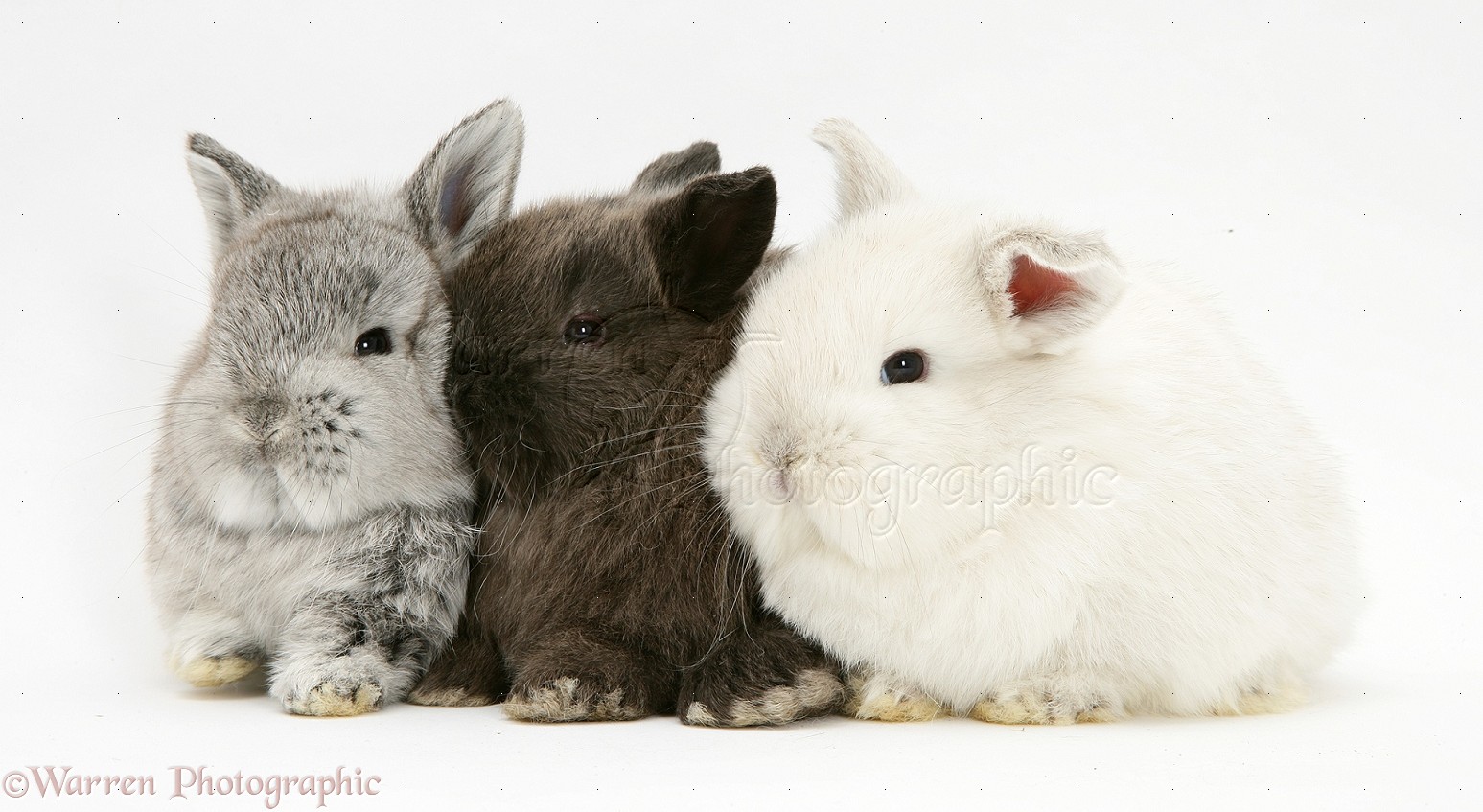
Information about rabbits

  1. A male rabbit is a buck. 
  2. A female rabbit is a doe.
  3. A baby rabbit is a kit.
  4. When the doe gives birth her babies are collectively refered to as a litter.
  5. The gestation period for a rabbit averages 31 days.
  6. A rabbits teeth never stop growing. 
  7. The American Rabbit Breeders Association has 45 recognized breeds of rabbits
  8. The ARBA has over 30,000 members
  9. Rabbits can be litter trained
  10. A pet rabbit can live as long as 15 years
  11. Bunnies get weaned at about 6 weeks old
  12. Adult bunnies can weigh between 2 lbs - 20 lbs depending on breed
  13. Rabbits can purr similar to a cat
  14. Domesticated rabbits are born without fur
  15. Domesticated rabbits eyes do not open until they are about 2 weeks old
  16. Rabbits cannot vomit 
  17. Rabbits eat their own night droppings called cecotropes 
  18. Rabbits need hay to assist the digestive system and prevent fur balls in their stomach
  19. A group of rabbits is called a herd
  20. A group of rabbits live in a warren
  21. Mothers typically only feed their kits about 5 minutes a day
  22. Rabbit meat is lower in fat, cholesterol and calories than chicken, pork and beef
  23. Rabbit meat is all white meat
  24. Rabbit droppings make an excellent garden fertilizer
  25. Rabbits have 28 teeth
  26. A 4 pound rabbit will drink as much water as a 20 pound dog
  27. Bunnies love to chew
  28. Rabbits do not hibernate
  29. Rabbits can jump 36″ and higher
  30. Rabbits can suffer heat stroke
  31. Rabbits can see behind them, but have blind spot in front of their face.
  32. When rabbits are happy, they will jump and twist, this is called a binky
  33. Rabbits can start breeding as early as 3-4 months of age
  34. Predators can literally scare a rabbit to death
  35. Does will pull fur when pregnant to assist in the building of their nest
  36. Rabbits can have false pregnancies
  37. Rabbits groom themselves
  38. Domestic rabbits cannot breed with wild rabbits
  39. The only place a rabbit sweats is through the pads on its feet 


Posted by Joanna.

Tuesday, July 31, 2012

Information About Horses

  • Horses can sleep both lying down and standing up.
  • Horses can run shortly after birth.
  • Domestic horses have a lifespan of around 25 years.
  • A 19th century horse named ‘Old Billy’ is said to have lived 62 years.
  • Horses have around 205 bones in their skeleton.
  • Horses have been domesticated for over 5000 years.
  • Horses are herbivores (plant eaters).
  • Horses have bigger eyes than any other mammal that lives on land.
  • Because horse’s eyes are on the side of their head they are capable of seeing nearly 360 degrees at one time.
  • Horses gallop at around 44 kph (27 mph).
  • The fastest recorded sprinting speed of a horse was 88 kph (55 mph).
  • Estimates suggest that there are around 60 million horses in the world.
  • A male horse is called a stallion.
  • A female horse is called a mare.
  • A young male horse is called a colt.
  • A young female horse is called a filly.
  • Ponies are small horses. 

Saturday, July 14, 2012

Grooming Your Horse

You need to groom your horse every day. You may think the reason to groom your horse is so he/she looks nice, but the main reason to groom your horse is so that he will stay healthy and clean. If you keep your horse in a stable where he can not roll on the ground to groom himself, you should groom him daily. If he is out in the pasture he will not need as much grooming.
Here is a list of thing you need to groom your horse and how they are used.
The Dandy Brush This is used for brushing off mud that your horse might get on its coat. It has stiff bristles.
Stiff Brush The stiff brush is for brushing hooves only.
Body Brush This brush is softer than the dandy brush and is easier to hold. It is used to take off oil and dirt.
Rubber Curry This is also used for combing off mud and shedding hair.
Metal Curry The metal curry is used for cleaning the body of your horse only. (Never ever use this on your pony.)
Mane Comb this should be used for the mane and tail only.
Sponges There are three different uses for the sponge. You should keep a separate sponge for each.
eyes
lips and nostrils
dock or their rear    
Stable Cloth The stable cloth is used for drying off your horse's and making it look shiny and pretty.
Hoof Pick A hoof pick is used to clean dirt, pebbles and mud from the horse's hoof.
Hoof Oil This is used to put a sealing, protecting and shiny seal to the hoof.
Sweat Scraper This is just like a squeegee, except it is used on a horse not a window.

Here are some grooming tips

Make sure your horse is tied up in a warm and sheltered spot.

Take off you horse's tack and blankets before you start grooming.

Make sure that you're not around any mud puddles.

Check the equipment that you'll need to make sure everything is handy, clean, and ready to use before you begin.

Follow the natural curves of the horse's coat while you are brushing. If you don't, your horse will get mad.

Don't use any body brush on your horse's head.

Scrape the body brush with the curry comb to get the oil off.

After riding your horse, its skin it warmer. Grooming a horse with warm skin is easier because the pours are still open.

After sponging your horse's eyes, Change the water before sponging the nose and lips.

While you are grooming the tail make sure you are not standing directly behind your horse. Make sure your horse knows you are there before you start combing.


Clean your brushes after each use.


Posted by Joanna and Becca.


Tuesday, July 10, 2012

Interesting horse facts

Camargue horses are completely white as adults. Their babies are pure black when they are born.


Their is a breed of horse from Russia called Akhal-Teke. it can go for days without food or water.


You measure a horse height in hands. Each hand equals four inches. If you say a horse is 16.2 hands high, the 2 stands for 2 fingers. 


You can tell how old a horse is by how many teeth it has. A horse gets all of its teeth by the time it is 5 years old. After that, they just get longer. 


A female horse is called a mare. In the wild it is the mare that decides when the herd moves to another spot to find food.


A male horse is called a stallion. Usually only one stallion will stay with the herd.


Any marking on a horse's forehead is called a star, even if it is not shaped like a star. 


Horses and ponies feel safer when they are in a herd.


Mustangs are one of few breeds of horses that live wild in North America. They are related to the horses that the Spanish explores  brought to North America 400 years ago.


Horses can communicate how they are feeling by their facial expressions. They use their ears, nostrils, and eyes to show their mood. Beware of a horse that has flared nostrils and their ears back. That means it might attack.


A hoof is like a fingernail. It is always growing and needs to be clipped so that it won't be uncomfortable for the horse.


A farrier is a person who makes horse shoes and fits them on your horse. They also clip hooves to keep them from getting overgrown.


A horse can move in four ways: walk, trot, canter, gallop. A gallop is the fastest gait.


 .


Posted by Joanna and Becca. 
You

Ineresting Facts About Rabbits

1. Baby Bunnies are commonly referred to as “kittens”
2. A Rabbit’s teeth never stop growing
3. Girl rabbits are referred to as “does”
4. Male rabbits are referred to as “bucks”
5. In the wild rabbits live in groups called “warrens”
6. Some rabbits can breed at as early as 3 months old
7. Rabbits are classified as “lagomorphs”
8. Today’s domestic rabbit is descended from the European Rabbit
9. Rabbits do not vomit
10. A rabbit’s gestation period is approximately 30 days
11. The backbone of a rabbit is very fragile and can break easily when handled improperly or dropped on its back
12. Domestic rabbits are born without fur
13. Bunny Rabbits are generally the most active during the evening and early morning
14. When rabbits grind their teeth it can sound like a purr
15. Rabbits are nearsighted
16. Rabbits are classified as mammals
17. Rabbits are not rodents but can resemble them in appearance
18. The largest number of kits every born in a litter is 24!
19. A rabbit has five toenails on its front two paws and four toenails on its back two feet. =18 toenails per rabbit
20. The longest rabbit ears ever recorded measured up to be 31.125 inches long!
21. The world’s heaviest rabbit is Darius, weighing an unprecedented 50 pounds!
22. Hundreds of years ago rabbits were often released on deserted islands in hopes of giving shipwrecked sailors a reliable food source
23. Some places in the world have had serious trouble with rabbit overpopulation
24. There are over 150 recognized rabbit coat colors and varieties
25. The current world record for a rabbit long jump is 3 meters
26. The current world record for the rabbit high jump is 1 meter
27. Rabbits only sweat on the pads of their feet
28. A rabbit will eat its own cecotropes (night droppings)- they are a valuable source of protein
29. A group of bunnies from the same mother are called a “litter”
30. Domestic rabbit kits are born with their eyes shut
31. It has been estimated that in Australia rabbits destroy around $600 million worth of crops each year
32. Rabbits were an important home meat supply during World War II
33. Not all rabbits will “breed like rabbits”
34. In ancient Egypt rabbits were used as sport for dog racing
35. The scientific name for the rabbit is Oryctolagus cuniculus
36. Rabbits and hares commonly found in the United States of America include the cottontail, jackrabbit, snowshoe rabbit and the domestic rabbit
37. Rabbits can interbreed with Hares
38. Pet rabbits tend to live to be much older that wild rabbits
39. Some rabbits are raised specifically for their fur
40.  A rabbit business is commonly called a “rabbitry”
41.  There are around 180 different rabbit breeds worldwide!